Today, Tara McEvoy is the Senior Director of Operations at Northwell Health Cancer Institute and oversees a variety of programs to support people navigating cancer. Eight years ago, she was experiencing her own diagnosis and treatment as a young mother, a journey that guides her career and personal decisions every day.
Coping with a Shocking Diagnosis
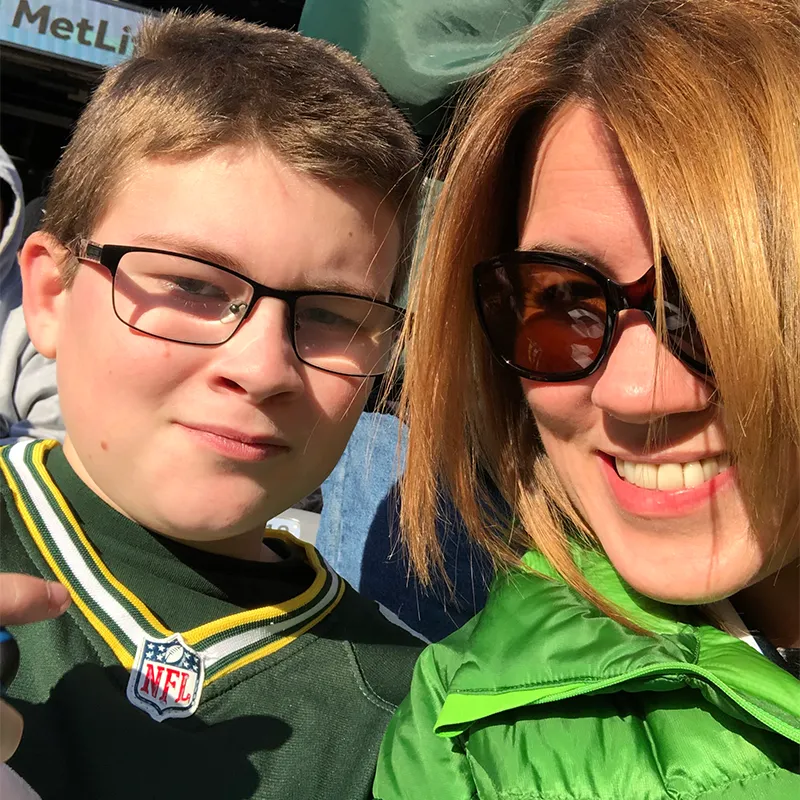
In October 2018, Tara was a 48-year-old mom of three working as a Paramedic Supervisor for Northwell Health. She had gone for her annual routine blood work and received a call on Halloween asking her to come back in for more blood work and to see a hematologist. Despite her medical background, she was very nervous. It was hard for her to process what that could mean. After doing follow-up blood work, the Northwell Health Cancer Institute called to say they wanted to see her that week. And, despite knowing better, she turned to the internet.
“My Google search results for the three days between that phone call and my appointment were heartbreaking,” says Tara. “I just sat there searching all of the numbers in my blood work and then would spiral researching the diagnosis possibilities.”
When Tara went to her appointment, the doctor told her she needed to have a bone marrow biopsy. Her mom came to support her during the procedure and then it was a waiting game. She was picking up her daughter from basketball ten days after the biopsy when the Cancer Institute called to tell her she had Chronic Myeloid Leukemia (CML).
CML is a type of blood cancer that starts in the bone marrow and causes the body to make too many abnormal white blood cells. It is usually linked to a specific genetic change and often develops slowly, especially in its early stages.
“I sat there with the doctor on the line watching my child come towards my car thinking I’m going to die while my kids are so young,” recalls Tara.
Unlike some other types of leukemia that progress quickly and require immediate intensive treatment, though, CML often develops more gradually and can be managed over time with targeted medications. It is considered a relatively rare form of leukemia, and many people like Tara live with it as a chronic condition, meaning it is treated and controlled rather than cured.
Tara’s oncologist immediately began treatment and weekly blood tests. She recalls that she was so nervous to begin her oral therapy medication that her medical oncologist actually walked her to the pharmacy to support her through the process.
Leaning on Shared Experience
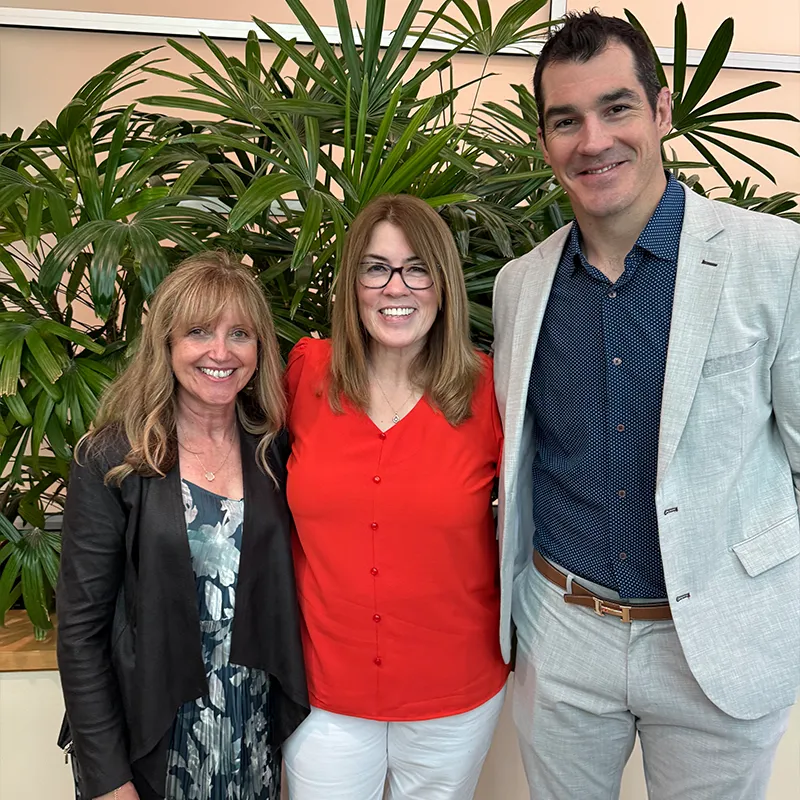
When a parent is diagnosed with cancer, the weight of that news doesn’t stop with them. Deciding how and when to share it with their children can feel just as overwhelming as the diagnosis itself. Tara chose to wait to tell her children, then ages 11, 13 and 14, that she had been diagnosed with cancer. “I needed to know I was going to be ok before I could tell them what I was going through,” says Tara. Deciding whether to share that news at work, especially in high-pressure environments, can also be complicated and deeply personal. Serving on the frontlines during the COVID-19 pandemic, Tara kept her health battle from her coworkers wanting their focus to remain on the patients.
The only people who knew about Tara’s diagnosis were her mother and her mom’s friend, Gloria, who had also been diagnosed with Chronic Myeloid Leukemia 20 years prior.
“Being able to talk to someone who had the type of cancer I was navigating, but was doing really well that many years later, was tremendously helpful and hopeful to me,” said Tara.
After nine months of treatment, Tara was both surprised and thrilled to hear that her weekly blood tests showed no evidence of disease. However, that doesn’t mean she can stop her therapy. “I will be on my medication for the rest of my life and if I stop taking it, my cancer will come back raising the risk of it mutating,” said Tara. “But I will deal with the small side effects like weight gain and swollen ankles to be there for my children.”
Career Dedication and Volunteerism
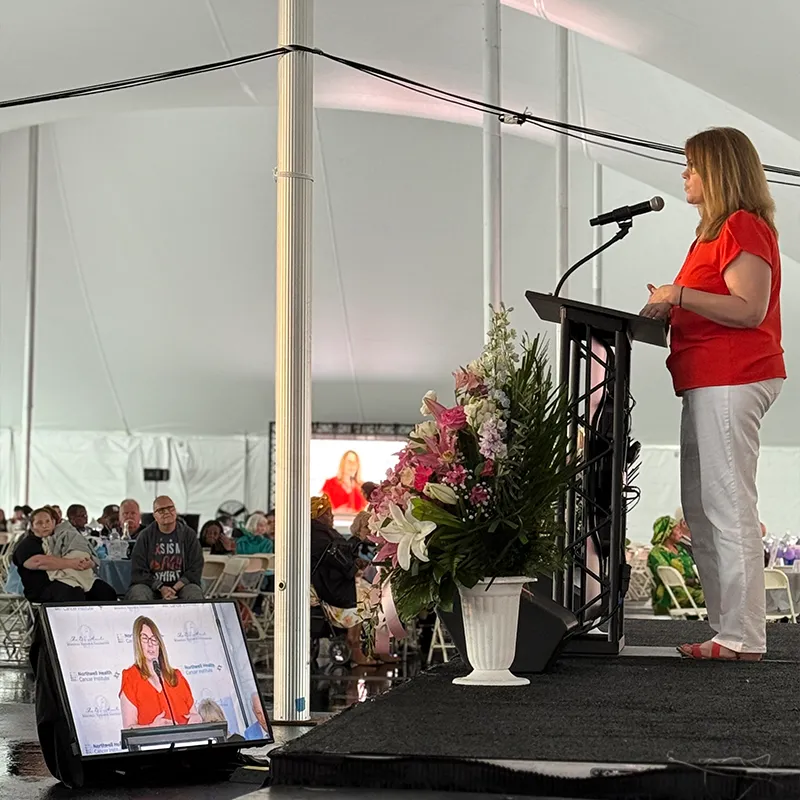
During Tara’s journey, she met people at the Northwell Cancer Institute who changed the trajectory of her career. She combined her knowledge as a paramedic with her personal cancer experience to create the system’s ED on Demand – a program that allows cancer patients to connect with telehealth physicians from the comfort of their own home and reduce their visits to the ER while being immunocompromised.
Through her work, Tara also became part of the team responsible for launching and championing the partnership between Cancer Hope Network and Northwell Health Cancer Institute to provide personalized peer mentorship for Northwell’s cancer patient and caregiver community by connecting them with specially trained survivors who have navigated similar cancer experiences.
“I wasn’t the best at asking for help during my cancer journey, and I realize now that people navigating cancer really need their own support systems,” says Tara. “I did have the advantage of talking to someone who had walked in my shoes and that’s what Cancer Hope Network’s peer mentors offer.”
Tara is now a trained volunteer peer mentor for Cancer Hope Network and is happy to provide compassionate support for people navigating cancer. “Someone who has already walked that path can listen, point you in the right direction, help you figure out what questions to ask your doctors, and encourage you to be your own advocate.”
Life after cancer is very different for Tara. She appreciates the little things much more, like spending quality time with her children or going out to eat with her mom. She also opened herself up to relationships after her divorce and this Christmas, she got engaged to a friend from high school. “We re-connected thirty-five years later and we’re so happy together, said Tara. “My cancer diagnosis taught me to trust in what’s meant to be.”