
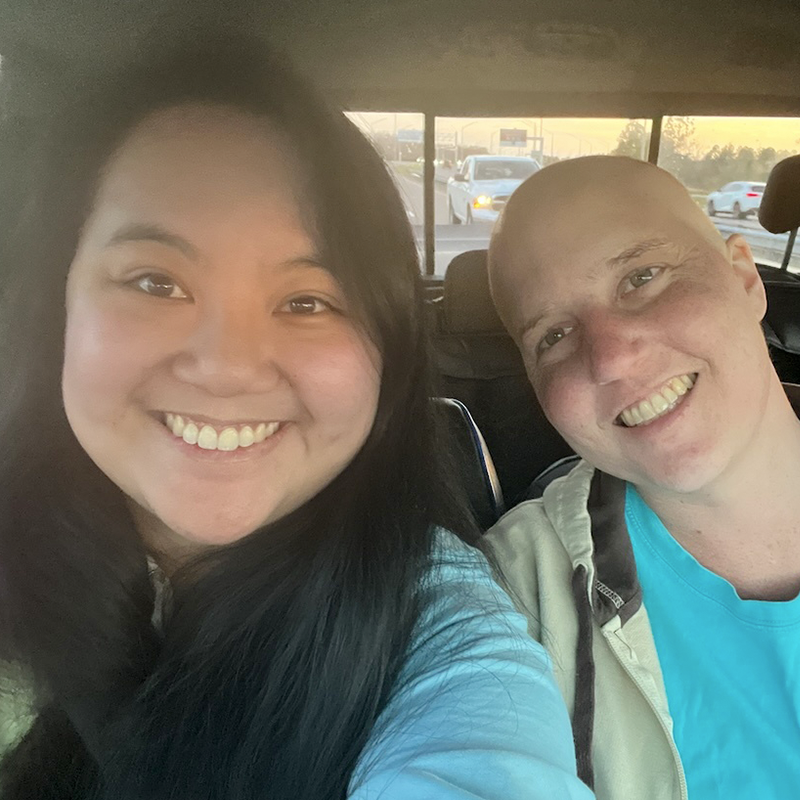
When Micah Johnson was diagnosed with stage 3 metastatic breast cancer at just 32 years old, her family was stunned. Oncologists at AdventHealth Hospital in her hometown of Celebration, Florida moved quickly to begin treatment. After discovering she was a BRCA gene carrier, her doctors recommended an aggressive approach to treatment which Micah fully supported.
“Once we got the results of the genetic testing, I wanted the doctors to do everything they could to not only treat the cancer, but prevent it from returning,” said Micah.
Micah underwent 14 rounds of chemotherapy, a double mastectomy, removal of twelve lymph nodes, radiation, and a hysterectomy.
“During my cancer journey, there were days that I could barely roll out of bed to feed my dog,” said Micah. “I’d then lie on the floor for hours, completely drained. I had no energy, and my emotions were a rollercoaster.”
Micah didn’t have anyone she could relate to throughout her treatment, but her family kept her going. Her parents were a major support system, and her siblings would keep her company when she didn’t feel well by playing games and doing crafts.
Finding Hope Through Writing
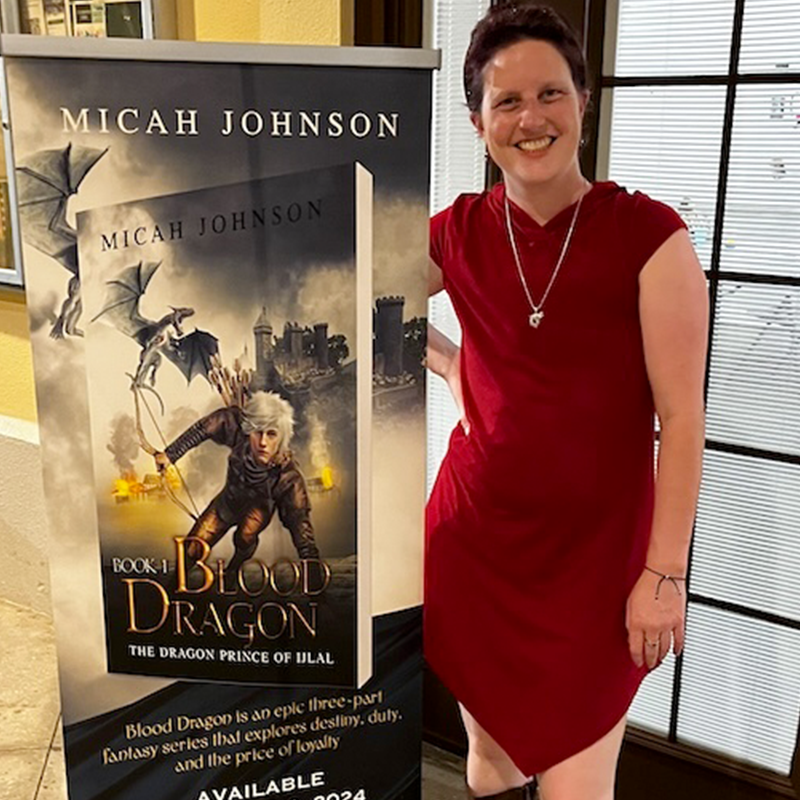
Micah first dreamed of writing a young adult fantasy trilogy in junior high school. Shortly before her diagnosis, she made the bold decision to leave her transportation career behind to pursue writing full-time.
“Writing this book series was something I had in the works for over twenty years, and I’m so grateful my parents fully supported my choice to dedicate myself to completing it,” said Micah.
Micah didn’t let her cancer journey put a hold on following her dreams of becoming an author. She worked on the three-part book series – Blood Dragon – throughout her treatment as a way to stay hopeful for the future. In December 2024, Blood Dragon was officially published and is available in paperback and digital e-book from Amazon, Barnes & Noble, Bookshop.org, and more. You can read more about Micah’s book series, on her website, here.
Regaining Strength After Treatment
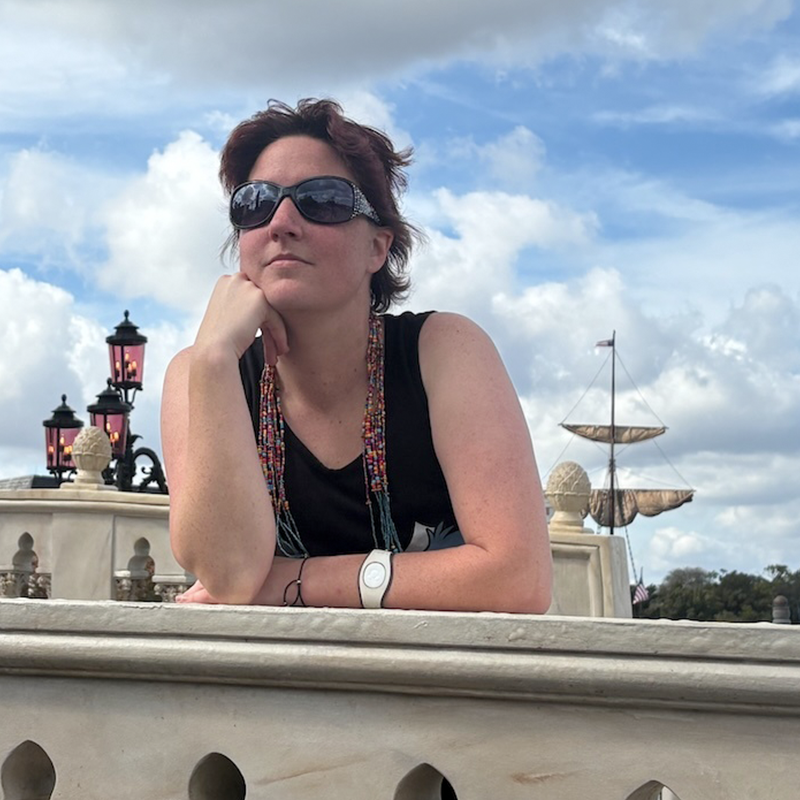
Micah admits that there are challenges to adjusting to life after cancer as a young adult.
“You finish treatment and people think you’re done, but you don’t really know what it’s like until you’ve been there,” said Micah. “There are a lot of things that don’t go away. Chemo brain is a real thing, and I often say my brain is like Swiss cheese which as a writer can be very difficult.”
In addition to publishing her book, Micah has focused her life after treatment on regaining strength and finding hobbies she enjoys. She lost a lot of muscle mass during treatment, so she has been committed to doing regular upper body exercises and was recently able to accomplish her goal of doing a cartwheel again and a handstand in the pool. Micah also returned to horseback riding, a pastime she enjoyed in high school when she owned a horse, and she started a butterfly garden.
Relating to the Unique Challenges of Young Adults
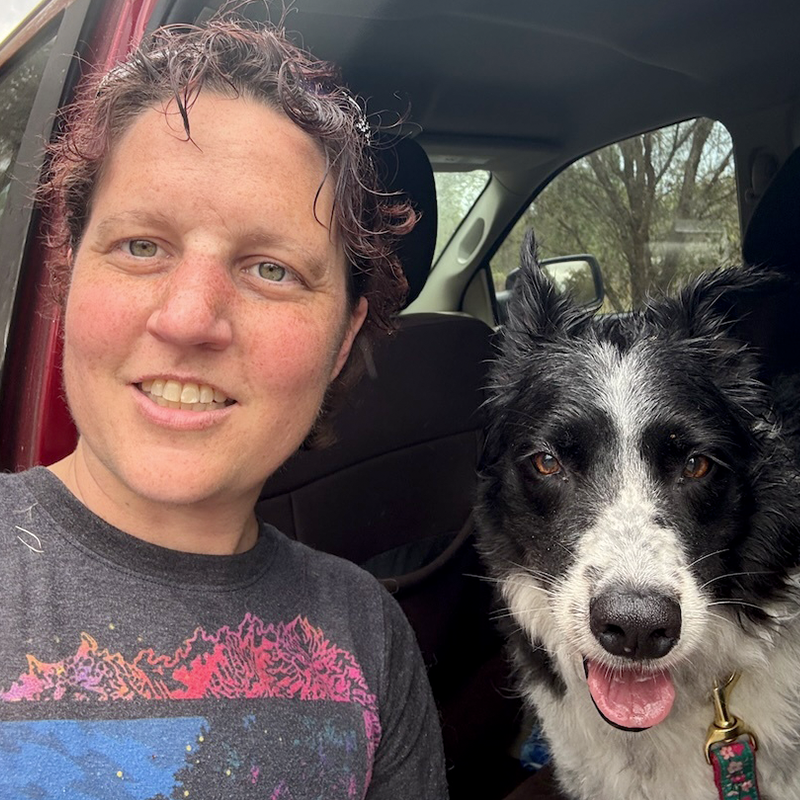
The incidence of breast cancer is rising in young women, 45 or younger, and they face unique challenges compared to older patients. Young adult cancer patients often experience career disruptions, fertility challenges, financial difficulties, and body image issues. Young patients also often feel isolated and out of place in clinical settings where most patients are significantly older.
“I remember sitting at treatment and looking around feeling confused,” said Micah. “You hear about people being diagnosed in their 30’s, but then I didn’t see anyone, so I almost felt like the statistics were made up and I was alone.”
Micah is hoping she can use her experience to help other young adults navigate a cancer diagnosis and treatment as a Cancer Hope Network peer mentor volunteer.
“Cancer Hope Network does an incredible job at matching people going through cancer treatment with survivors who have been there and can show you that you can come out the other side,” said Micah.
As a peer mentor, Micah focuses on listening and being a sounding board for her mentees. “I think it’s really important to listen with empathy and not try to fix things,” said Micah. “If something worked for me during treatment, I share it, but I’m mostly there to hear what they want to talk about.”
Micah’s number one advice to young adult cancer patients: focus on maintaining an optimistic outlook and find hobbies and people that make that easier to do.
