
Current Director of Strategic Programs & Partnerships at Cancer Hope Network, Marielle Santos McLeod turns survivorship into diagnosis-matched support.
As a 36-year-old healthcare professional, Marielle Santos McLeod felt like she had a firm understanding of cancer care and the healthcare system. She had spent years helping patients and caregivers navigate care, but when she was diagnosed with stage III colon cancer, everything she thought she knew about the system suddenly disappeared.
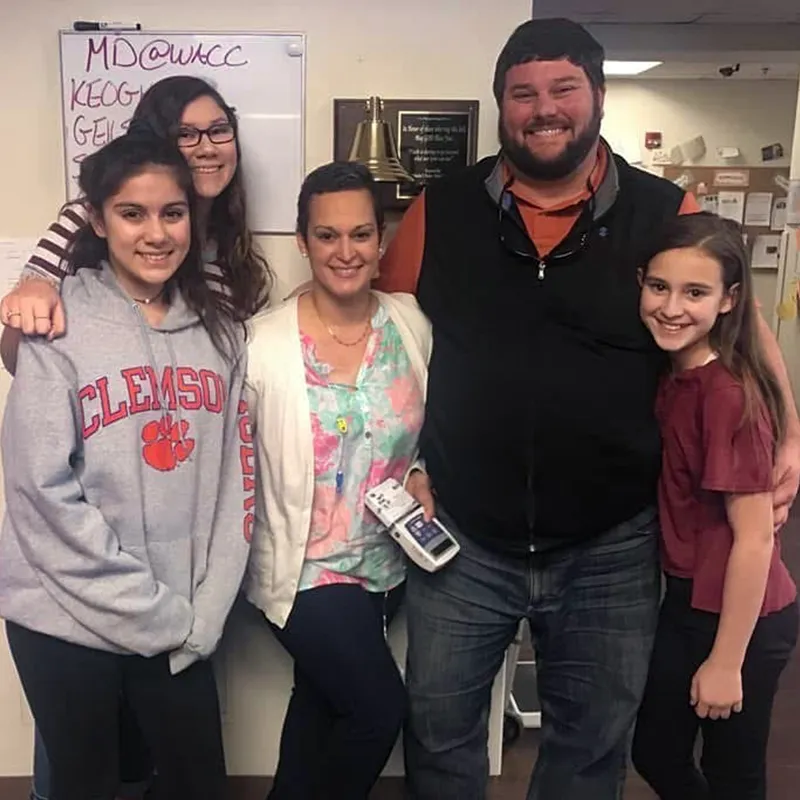
“When you hear the word cancer, all of that knowledge disappears,” Marielle recalls. Despite her professional background, she found herself overwhelmed, frightened, and uncertain about what questions to ask or what steps came next—a reality many patients face, regardless of education or experience. “It becomes real very fast,” she adds.
Marielle’s diagnosis followed weeks of abdominal pain and bleeding that were initially dismissed. She ultimately had to push for a diagnostic scope, which confirmed her cancer. She then underwent major surgery and 14 rounds of chemotherapy while raising four children and facing severe financial strain after losing her job just one day shy of qualifying for medical leave protections—resulting in the loss of her health insurance and access to ongoing treatment at a critical moment in her care.
Like many newly diagnosed patients, Marielle searched for emotional support. She joined a cancer support group hoping to connect with others who understood what she was experiencing. While the group was welcoming, she struggled to fully relate to its constituents — most participants were breast cancer survivors, and their treatment journeys, side effects, and long-term concerns differed greatly from her own experience as a young colon cancer patient.
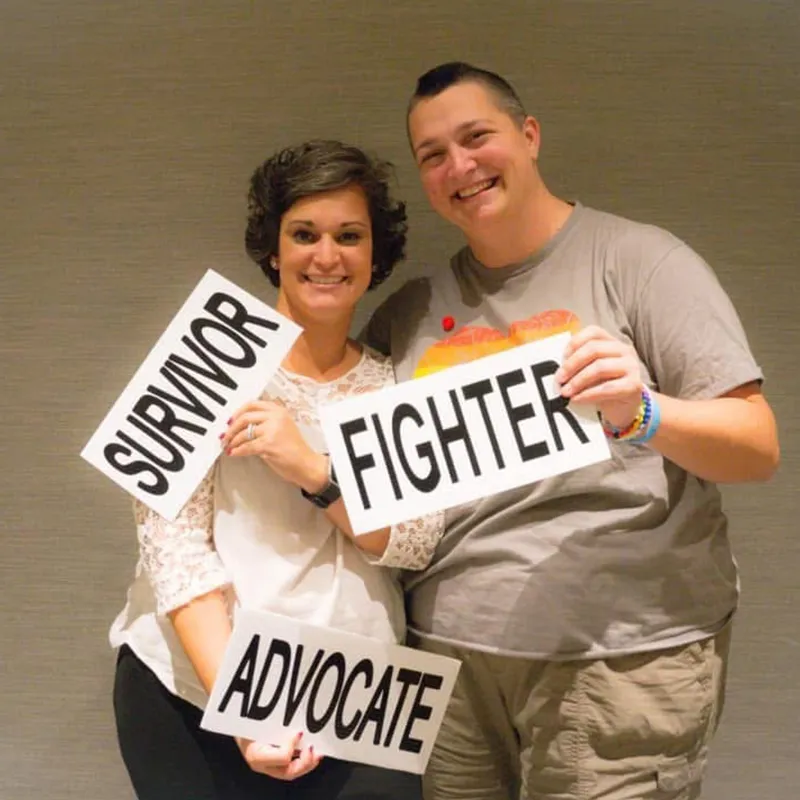
Even in a space designed for support, Marielle felt alone.
That disconnect revealed something profound: support is most meaningful when it reflects a patient’s diagnosis, background, and lived experience. Colon cancer came with unique physical, emotional, and social challenges — and Marielle needed someone who truly understood those realities.
Rather than letting that isolation define her survivorship, Marielle transformed it into purpose.
After completing treatment, she dedicated herself fully to advocacy and patient navigation, determined to ensure that no one faces cancer feeling lost, unheard, or misunderstood. As a bilingual patient and family support navigator, she began helping others navigate complex care conversations, empowering patients to ask questions, understand their options, and advocate for themselves — even when fear threatens to take over. “Advocates are not made from cupcakes and rainbow stories,” says Marielle. “Every patient advocate I know has fought through their own challenge to get to the place where they can bond over that triumph.”
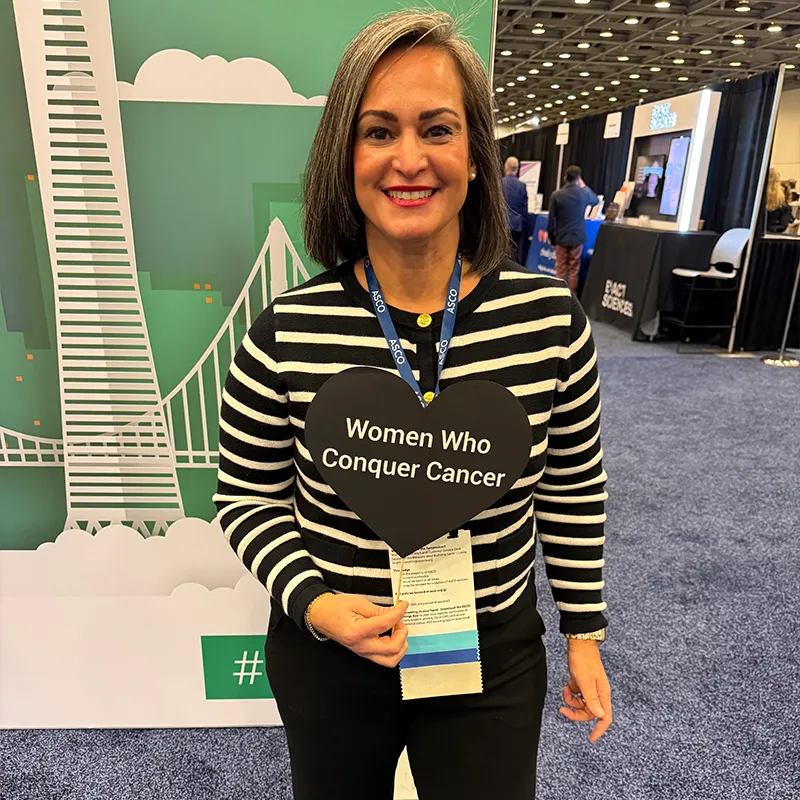
Her experience as a Latina colon cancer survivor also exposed deeper inequities in cancer care, particularly around language access, cultural understanding, and early detection. To drive change at a systemic level, Marielle was selected for the first-ever Latino Cancer Patient Advocate Training Program, preparing survivors to influence research, policy, and clinical trial access.
Today, as Director of Strategic Programs & Partnerships at Cancer Hope Network, Marielle brings her lived experience into every aspect of her work. She helps shape programs that prioritize peer support matched by diagnosis, culturally responsive care, and patient empowerment, ensuring individuals connect with someone who understands not just cancer — but their cancer.
Marielle’s story is a powerful reminder that a diagnosis can strip away certainty, even for those who know the system best. Through her leadership, Cancer Hope Network continues to build a future where every patient feels seen, supported, and never alone — from diagnosis through survivorship.
