
Monica Schnee’s Story
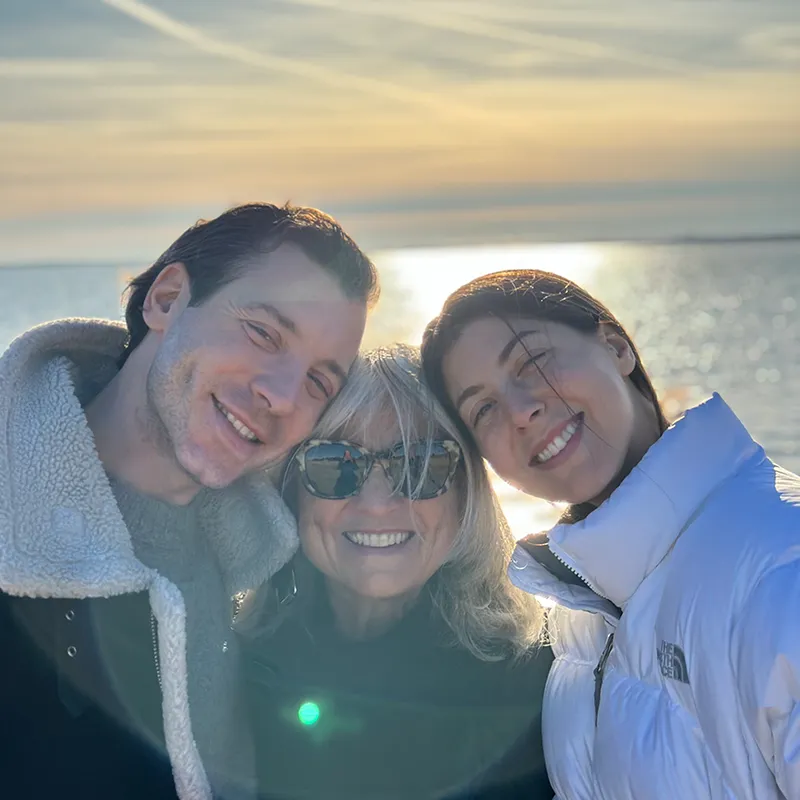
When Monica Schnee first discovered a brochure for Cancer Hope Network while sitting in the waiting area of a cancer center, she had no idea how profoundly it would shape her cancer experience.
“I picked up the flyer and thought, ‘This is pretty cool,’” Monica recalled. “I wrote to them, went through the training, and became a peer mentor. From that moment on, my entire cancer experience was different.”
Today, Monica has mentored nearly a dozen other cancer patients through Cancer Hope Network, offering not only guidance about treatment and recovery, but something equally important: human connection.
A Second Diagnosis
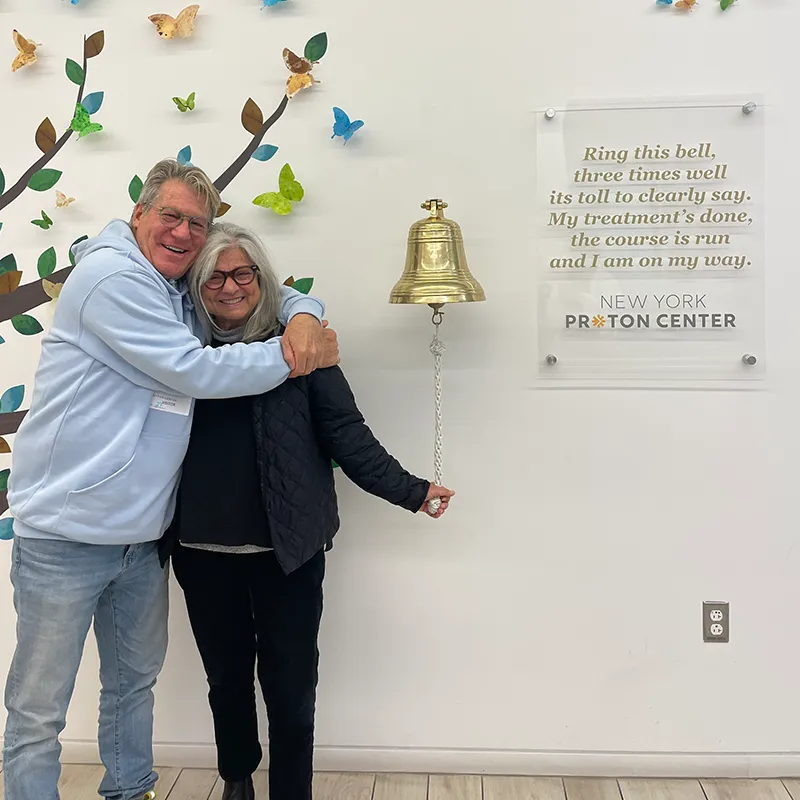
Monica’s first breast cancer diagnosis came in 2007 after a routine mammogram revealed ductal carcinoma in situ (DCIS). At the time, she underwent a lumpectomy, radiation, and five years of tamoxifen while balancing a demanding new career in education and raising two children.
“I thought it was something you treat, finish, and move on from,” she said. “In my mind, it was one, two, three — and then you’re done.”
For years, Monica diligently attended every mammogram and ultrasound appointment. Then, another routine screening changed everything.
Doctors discovered what one radiologist described as a “constellation of cells.” Days later, Monica received the diagnosis: triple negative breast cancer.
“It was shocking,” she said. “I remember thinking, ‘Okay, this is serious.’ But I also knew I needed to focus on what came next.”
After seeking multiple opinions, Monica ultimately chose an innovative proton radiation treatment program through Mount Sinai’s Proton Center in Harlem. Her treatment involved surgery, an intensive three-week proton radiation trial, and chemotherapy.
Though the physical toll was immense, Monica approached treatment with remarkable honesty and resilience.
“My mantra through everything was: this is temporary,” she said. “When this is over, I will slowly become myself again.”
The Power of Connection
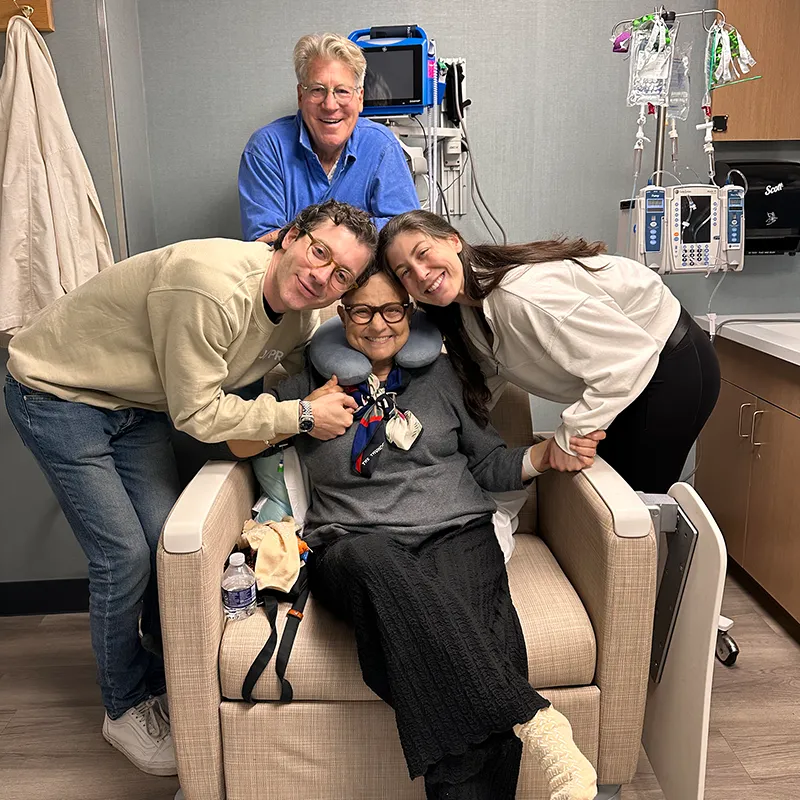
As an Argentine-born bilingual mentor, Monica quickly discovered how powerful cultural and personal connections could be.
One of her first mentees was a Spanish-speaking woman in Arizona who was overwhelmed by her diagnosis and frightened by language barriers during treatment.
“She was so grateful to have someone speak to her in Spanish,” Monica said. “If you don’t speak the language, everything becomes even more frightening.”
“Yes, cancer is the reason we connect,” Monica explained. “But there’s so much more to us than cancer. Finding those other points of connection makes the relationship feel more human and less centered only on disease.”
She continues to stay in touch with many of the people she has mentored, exchanging holiday and Mother’s Day messages long after formal mentoring relationships end.
“The mentees help the mentors too,” Monica said. “That’s a very important piece people don’t always realize.”
Finding Beauty During Treatment
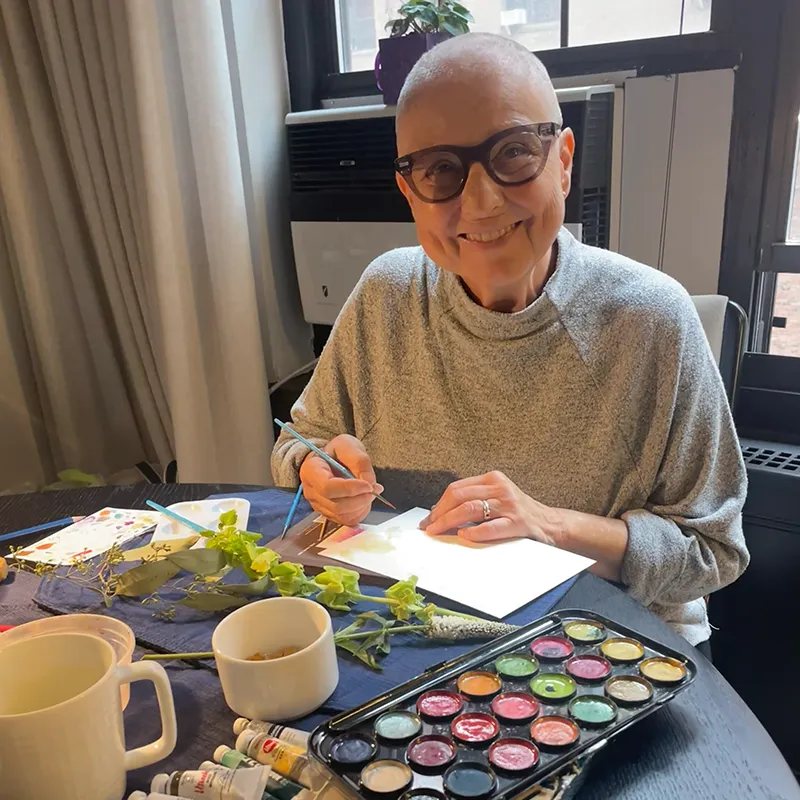
Amid surgeries, radiation and chemotherapy, Monica unexpectedly discovered another source of healing: watercolor painting.
“I didn’t even know how to draw a stick figure,” she laughed. “But every morning I would paint. On the days I felt awful, I painted.”
She began creating watercolor thank-you cards inspired by the flower bouquets she received during treatment. Painting became a form of meditation and reflection — one that helped her process the emotional complexity of cancer.
“It opened a door I never knew existed,” she said.
Monica also chose to approach one of the most emotionally difficult aspects of treatment — losing her hair — with openness and acceptance.
Before chemotherapy could take it from her, she shaved her head herself.
“I realized this was one thing I could control,” she said. “Hair grows back. And if being bald was part of my life for a while, then that was okay.”
Her honesty about the experience has since helped many women she mentors face their own fears surrounding hair loss and identity during treatment.
Embracing Life’s Finitude
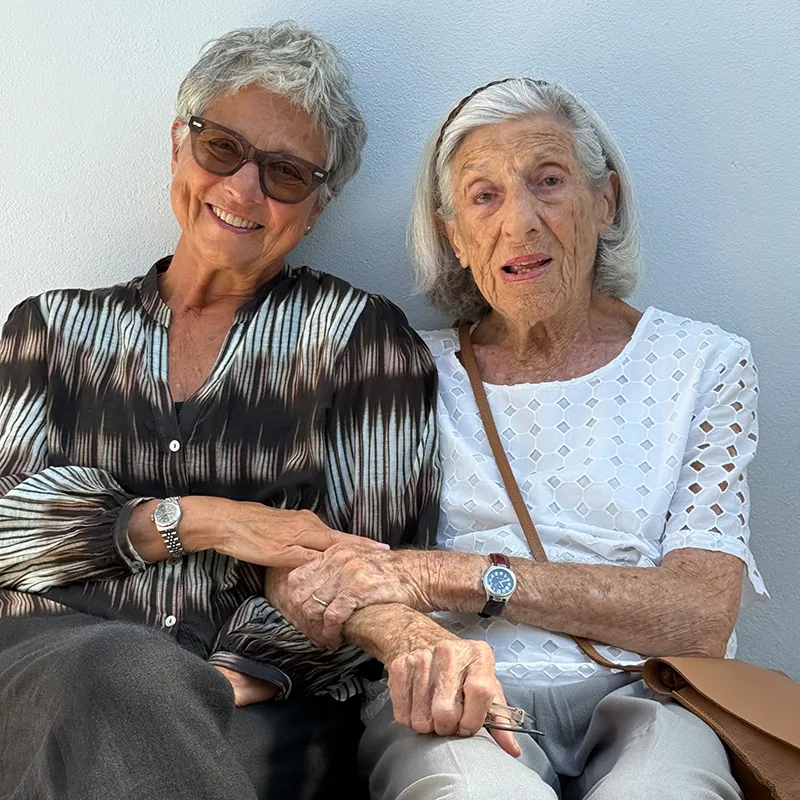
Monica says cancer fundamentally changed how she views life.
“The biggest lesson for me has been embracing life’s finitude,” she said. “We’re all here for a while, but none of us knows for how long.”
Rather than living in fear of the future, Monica has chosen to focus on meaning, purpose and presence.
“It crystallized for me how important it is to live a good life — a life with meaning and purpose,” she explained. “Whatever happens next will happen. But right now, I want to enjoy my life, my family, and the time we have together.”
She has slowed down, shifted priorities, and become deeply intentional about how she spends her time — whether traveling with her husband and adult children, mentoring newly diagnosed patients or simply appreciating ordinary moments.
Through every conversation with a mentee, Monica hopes to offer one thing above all else: hope.
“I think people need to hear the hope,” she said. “Even in the hardest moments, there has to be a glimmer of hope.”
For Monica, that hope continues to grow through every life she touches.