

For Elena Turner, cancer has been a part of her life more than once. But rather than allowing those experiences to define her, Elena has turned them into a source of strength and a reason to make sure other people facing cancer never feel alone.
In 2007, Elena was 47 years old when she first learned that cancer had entered her life. She didn’t know she had cancer when she went in for a hysterectomy. During the procedure, doctors discovered cancer involving her uterus and ovaries.
What followed was a difficult road of treatment, including major surgery and months of chemotherapy. One of her surgeries lasted seven hours and thankfully she was fortunate to have a gynecologic surgeon she trusted.
In 2015, Elena developed cancer again —this time more aggressive than the previous two. She learned what it felt like to receive frightening news, endure difficult treatment, and navigate the uncertainty that comes with a cancer diagnosis. But she also learned the incredible value of having someone who understands what you are going through.
That lesson ultimately led Elena to Cancer Hope Network.
Elena had already been looking for ways to give back. During COVID-19, she signed up to volunteer and eventually began volunteering on the cancer floor at Sibley Memorial Hospital (now part of Johns Hopkins Medicine) in DC. She took patient calls and looked for opportunities to connect with people who could benefit from hearing from someone who had walked a similar path.
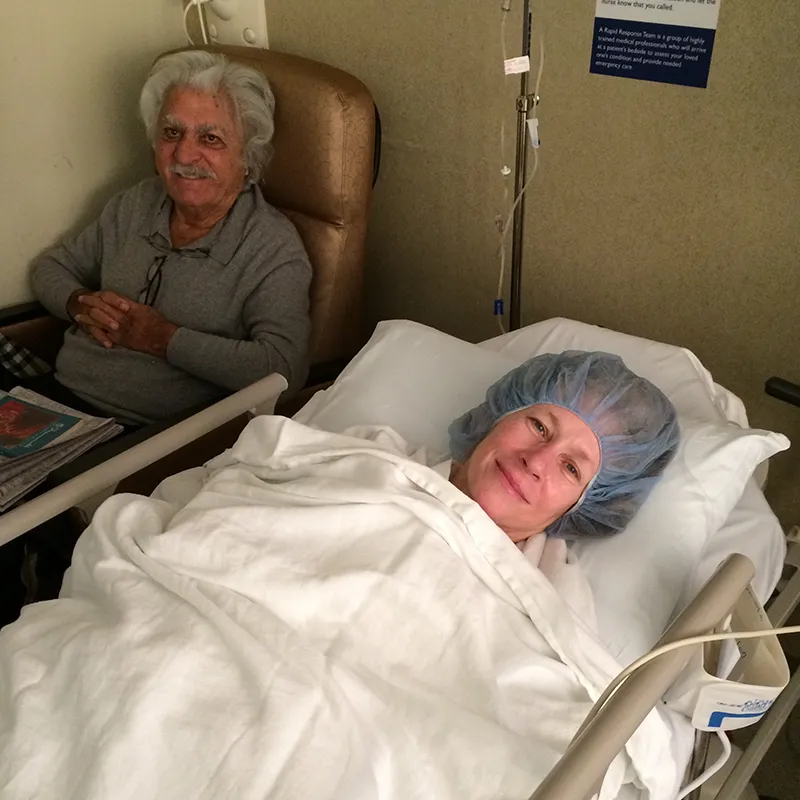
The nurses knew Elena was a two-time cancer survivor, and her willingness to help became increasingly apparent.
Eventually, the head of volunteer services approached Elena about a new program Johns Hopkins Sidney Kimmel Cancer Center was starting in partnership with Cancer Hope Network called Mentorship and Peer Support (M.A.P.S.). Through the Johns Hopkins Sidney Kimmel Cancer Center’s M.A.P.S. program, an adult cancer patient and/or caregiver can be matched with a trained Cancer Hope Network Peer Mentor who has been through a similar experience. The program offers a platform for cancer survivors and co-survivors to give back to the community by volunteering to be trained and matched as Peer Mentors.
“It was exactly what I wanted to do,” Elena says.
After participating in CHN’s training, Elena was onboarded as a John Hopkins M.A.P.S. Peer Mentor in the spring of 2025. Since then, she has supported multiple people navigating cancer and caregiving.
For Elena, the relationships are more than simply sharing advice. They are about empathy, understanding, and being willing to sit with someone through the difficult moments.
“I know what it is like to be there,” she says. “You can have sympathy for someone, but when you have been through it yourself, there is a different level of empathy.”
Elena has now mentored five people through CHN, developing meaningful relationships with each of them.
One of her mentees, Crystal, was diagnosed with the exact same type of cancer Elena experienced. That shared experience created an immediate point of connection, but their relationship grew beyond their diagnoses.
They communicate regularly through phone calls, texts, and video chats, and Elena hopes to visit her in person in October.
Another mentee is a woman in rural Maine who was navigating ovarian cancer.
Elena has supported her through regular phone calls and texts, providing the kind of connection that can be difficult to find, particularly for someone living far from a major cancer center. Elena has also supported someone experiencing the profound emotional challenges of caregiving and loss.
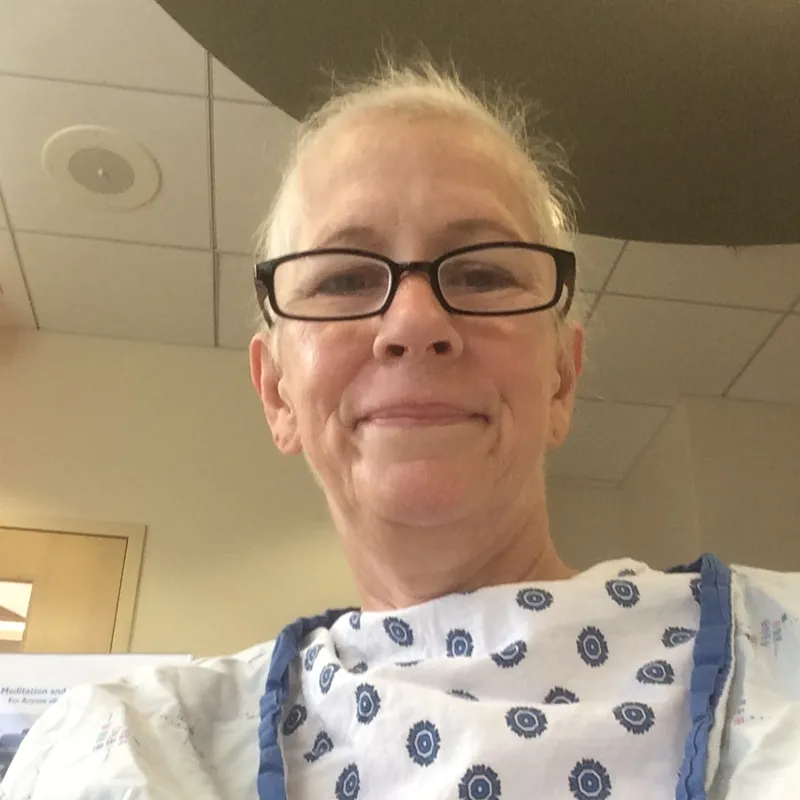
She remains committed to being present — whether that means talking twice a week, checking in once a week, or simply sending a text when someone needs to know that another person is thinking about them.
Elena knows firsthand how powerful a conversation with another survivor can be. Her own cancer experiences showed her that sometimes the most meaningful support comes from someone who can simply say, I understand. I have been there, too’.
That is what she continues to provide through Cancer Hope Network.
“I wanted to be able to help someone the way another survivor helped me,” Elena says.
Her cancer journey may have begun with uncertainty and fear, but today, Elena sees her post-treatment survivorship as an opportunity.
She can offer practical insight. She can listen without judgment. She can understand the fear that comes with a diagnosis and the exhaustion that comes with treatment. Most importantly, she can remind the person on the other end of the phone that there is life beyond the diagnosis.
For Elena, that is the greatest gift of becoming a Cancer Hope Network mentor through M.A.P.S.: taking some of the hardest experiences of her life and using them to create hope for someone else.
“I’m still here,” Elena says. “And if my experience can give someone else hope, then I want to share it.”
